
Kriya Yoga Teacher Lineage
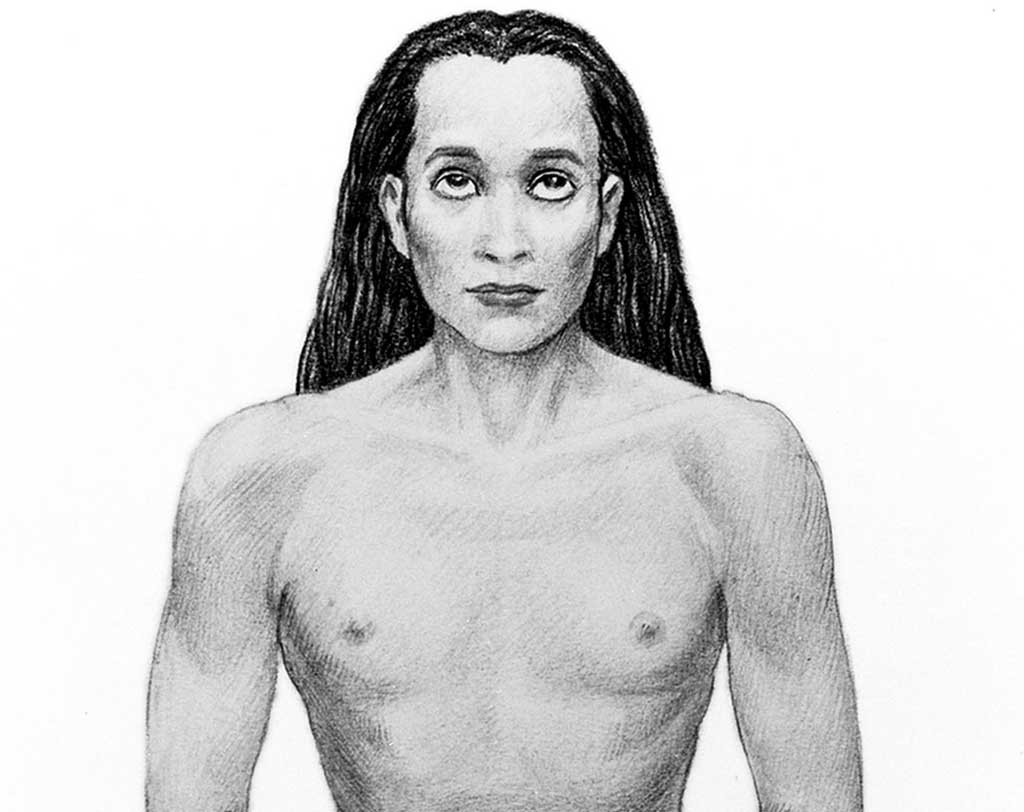
Mahavatar Babaji
“Even in the world, the yogi who faithfully discharges his responsibilities, without personal motive or attachment, treads the sure path of enlightenment.” (Mahavatar Babaji)
There are several illumined masters on earth through whom planetary consciousness is infused with divine light. Many of them are assisted by Babaji, for it is his role to inspire people who are actively nurturing planetary consciousness, uplifting humanity, and ministering directly to seekers on the spiritual path. While acknowledged as the spiritual head of the current-era Kriya Yoga tradition, Babaji is not limited to this enlightenment movement. His influence flows to any agency through which God’s will can be done. He is fully illumined, with no karmic ties to the world, and embodied only to be a conduit through which enlivening forces can express to cleanse planetary consciousness.
Lahiri Mahasaya
“Each person is responsible for his or her inner life – which is the creation of one’s thoughts, desires, feelings and ideas.” (Lahiri Mahasaya)
In the village of Ghurni of the Nadia district in Bengal, India, Shyamacharan Lahiri was born on September 30, 1828. As a young boy he would often seek out quiet places for meditation and contemplation. His family was devoted to God in the aspect of Shiva, and had several temples constructed for private and public worship.
At school in Varanasi (Banaras), Lahiri was exposed to the English, Sanskrit, Urdu, Hindu, Bengali, and Persian languages. Possessed of abundant vitality, he was active in sports and would often swim in the Ganges River. At eighteen years of age, he was married to Kashimoni Devi, and together they became parents of two sons and three daughters.
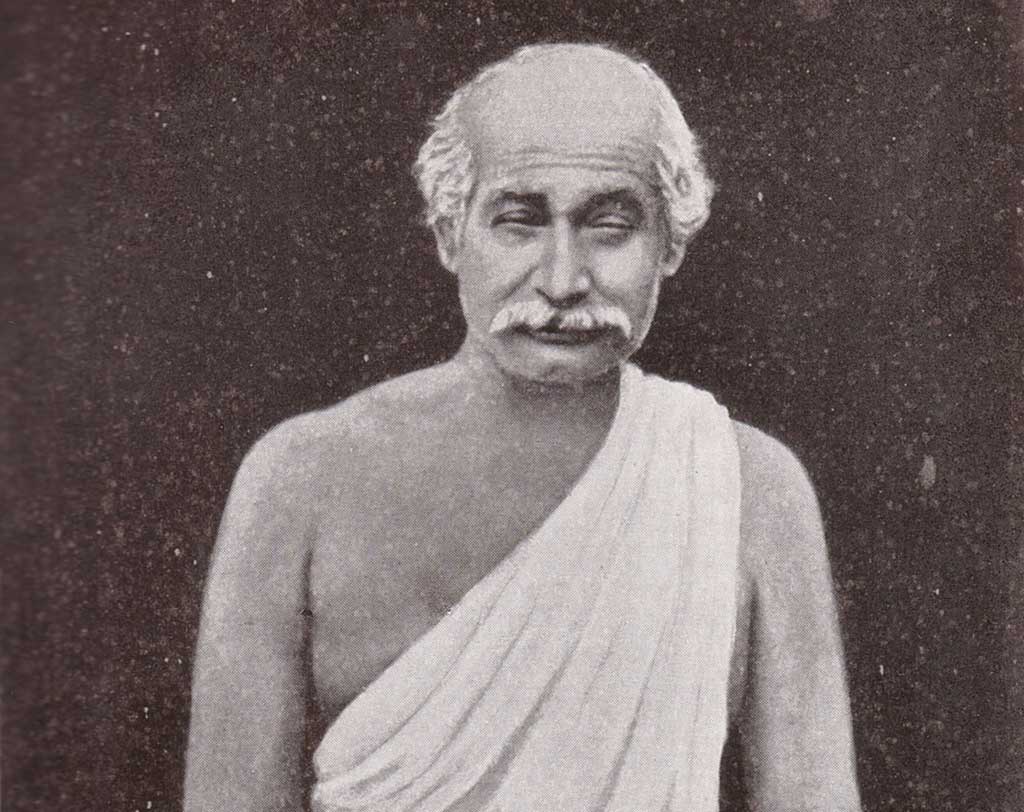
Lahiri Mahasaya, as he became known to devotees (Mahasaya is a title bestowed by disciples and means one who is large-minded or cosmic conscious), was employed as a clerk of the Military Engineering Department of the Government, which supplied materials for the Army’s road building projects. Lahiri also taught Hindi, Urdu, and Bengali to several engineers and officers of the department. Responsible in family and social matters by day, at night Lahiri met with truth seekers and Kriya Yoga disciples. Lahiri became the model of a fully realized yogi living a householder life. Babaji’s instruction to him was deliberate to demonstrate that spiritual liberation is possible without renouncing family life.
In 1861 Lahiri was transferred to Ranikhet, a forest region near Nainital in the foothills of the Himalayas. One afternoon, while wandering in the Drongiri Mountain area, he was hailed by a man who announced, “A saint wants to see you.” Following his new guide he was led to a cave form which a youthful appearing saint emerged and greeted him with the words, “Shyamacharan, you have come!” The saint was Mahavatar Babaji, who had chosen the occasion to renew the guru-disciple relationship which had been established centuries earlier.
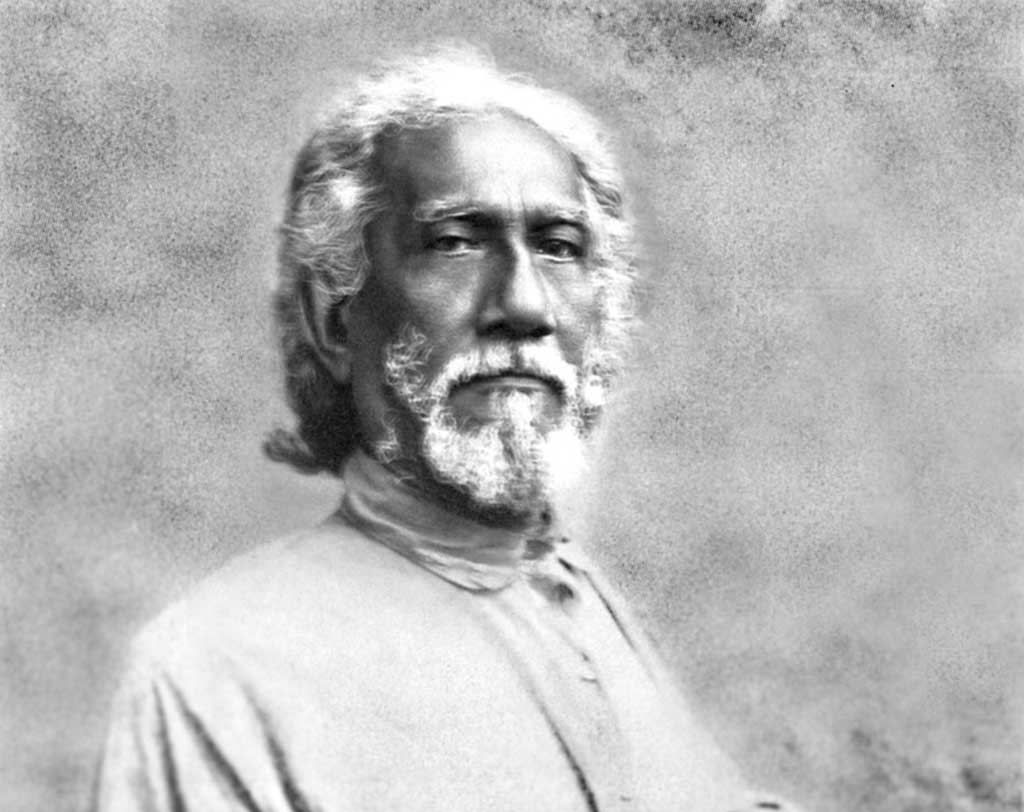
Swami Sri Yukteswar
“When, by inference, the true nature of the universe and relation between it and one’s essence of being is known, and when one knows that lack of understanding causes souls to forget their true Self and experience suffering, one wishes to be relieved from misfortune. Freedom from bondage of that ignorance then becomes the primary aim of life.” (Swami Sri Yukteswar)
Because of his clear understanding, Swami Sri Yukteswar was often referred to by Paramahansaji as a Jnanavatar (incarnation of wisdom). His monastic name, Yukteswar, means union with Ishwara, the ruling aspect of God in relationship to nature. Born in 1855, his given name was Priya Nath Karar. As an adult, Sri Yukteswar married, and managed properties inherited from his father. He and his wife had one daughter. His two main ashrams were at Puri, near the Bay of Bengal, and Serampore, near Calcutta. He was initiated into the swami order after the death of his wife.
This master of yoga was an accomplished Vedic astrologer, studied Ayurveda and, while a young adult, attended classes at a medical college. He was versed in the art of prescribing gemstones and metals to be worn for therapeutic purposes and often advised disciples to do this when he discerned that it would be helpful to them. Sri Yukteswar carefully researched the theory of cycles (yugas) and published his findings in several journals. He also wrote a commentary on the first six chapters of the Bhagavad Gita, after conducting discussions with disciples on this scripture and asking Lahiri Mahasaya for his insights and comments.
An adept spiritual healer, Sri Yukteswar seldom openly displayed his yogic powers. Gentle and of quiet demeanor, his devotional nature was usually overshadowed by his practical observations and emphasis on the usefulness of intellectual development. When Paramahansaji, as a teenage disciple, thought of forsaking his family relationships, Sri Yukteswarji counseled, “Why exclude family from your love of God?” He was known at times to visit disciples in his subtle form, appearing to them in dreams and visions in their time of need. Paramahansaji said of him: “He could have been the most sought-after guru in India if it were not for his strict training of disciples.” Once, when a visitor looked at a portrait of Sri Yukteswar and remarked that he appeared to be a fine man, Paramahansaji exclaimed, “He was no man, he was a god!”
When Paramahasaji was preparing to come to America, Sri Yukteswar said to him, “If you go now, all doors will open to you.” He expressed keen interest in the unfoldment of the work in America and, in 1935, asked Paramahansaji to return to India for a visit.
Sri Yukteswar left his body on March 9, 1935. In keeping with yogic tradition his body was buried in the garden of his Puri ashram. Instead of cremation, the general practice in India for the disposition of physical remains, the bodies of saints are usually buried because they are considered to have already burned the body when they renounced their worldly attachments. Their burial sites are considered by devotees to be significant places of pilgrimage.
Paramahansa Yogananda
“Discard the false belief that there is a separation between spiritual and material life. Perform duties skillfully. All constructive work is purifying if done with the right motive. If you sometimes fail to accomplish your purposes, don’t be discouraged; that is the best time to sow the seeds of success. In everything you do, express your limitless qualities.” (Paramahansa Yogananda)
Paramahansa Yogananda was born January 5, 1893, to parents who were devoted disciples of Lahiri Mahasaya and dedicated practitioners of Kriya Yoga. At an early age he sought the company of saints and sages. He was first instructed in meditation practices by his father. After graduating from high school he met Sri Yukteswar in Banaras and was accepted for discipleship training. When, a few years later, Sri Yukteswar ordained him as a swami, he chose the monastic name Yogananda, “yoga (union) ananda (bliss)”.
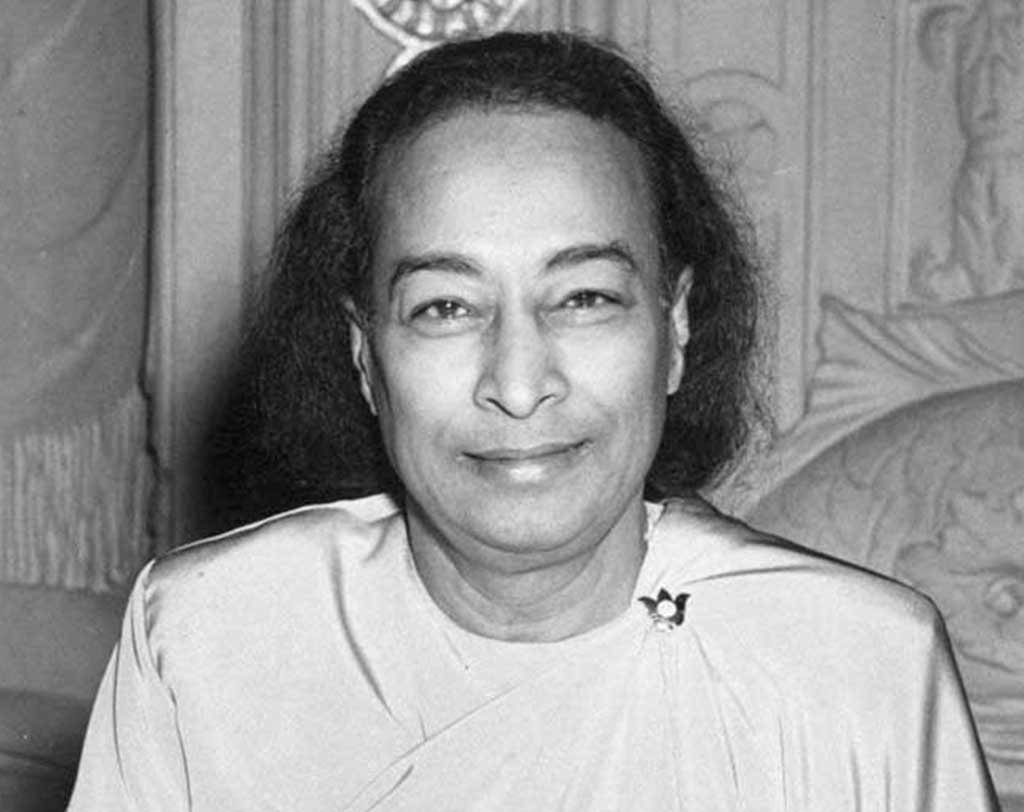
As Paramahansa’s California work progressed, printed lessons were published and sent to thousands of students in America and other countries. His major literary work, Autobiography of a Yogi, first published in 1946, is currently available in more than seventeen major world languages. It is estimated that well over one hundred thousand people were personally initiated into Kriya Yoga by Paramahansaji during his thirty-two year ministry. Additional millions have since been blessed by reading his books and by learning Kriya Yoga practices from disciples ordained by him.
Paramahansa assured disciples that his teachings and spiritual influence would continue to benefit seekers of truth for centuries. To those who asked about their future relationship with him, he said, “If you think me near, I will be near.”
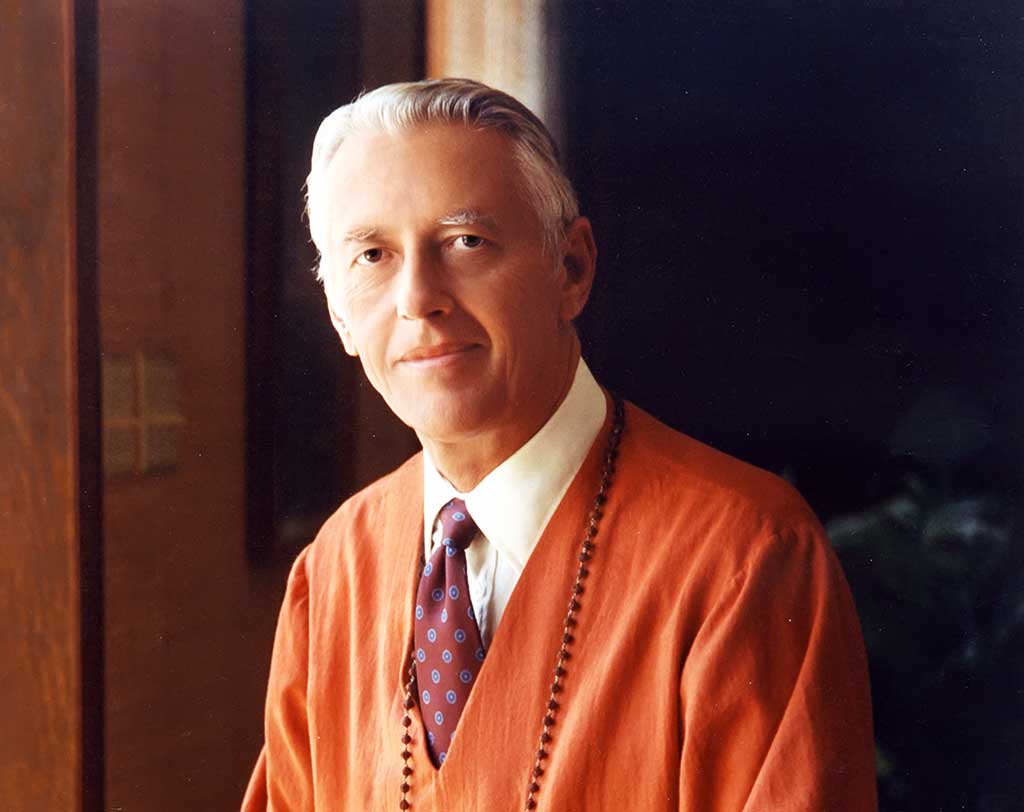
Roy Eugene Davis
Paramahansa Yogananda instructed Mr. Davis to “Teach as I have taught, heal as I have healed, and initiate sincere seekers in Kriya Yoga.” For the next 68 years Mr. Davis followed his guru’s wishes, selflessly sharing guidelines for effective living and rapid spiritual growth with hundreds of thousands around the world. In 1972 he founded Center for Spiritual Awareness as his ministry headquarters and retreat facility.
See Roy Eugene Davis Founder page for a more complete biography.